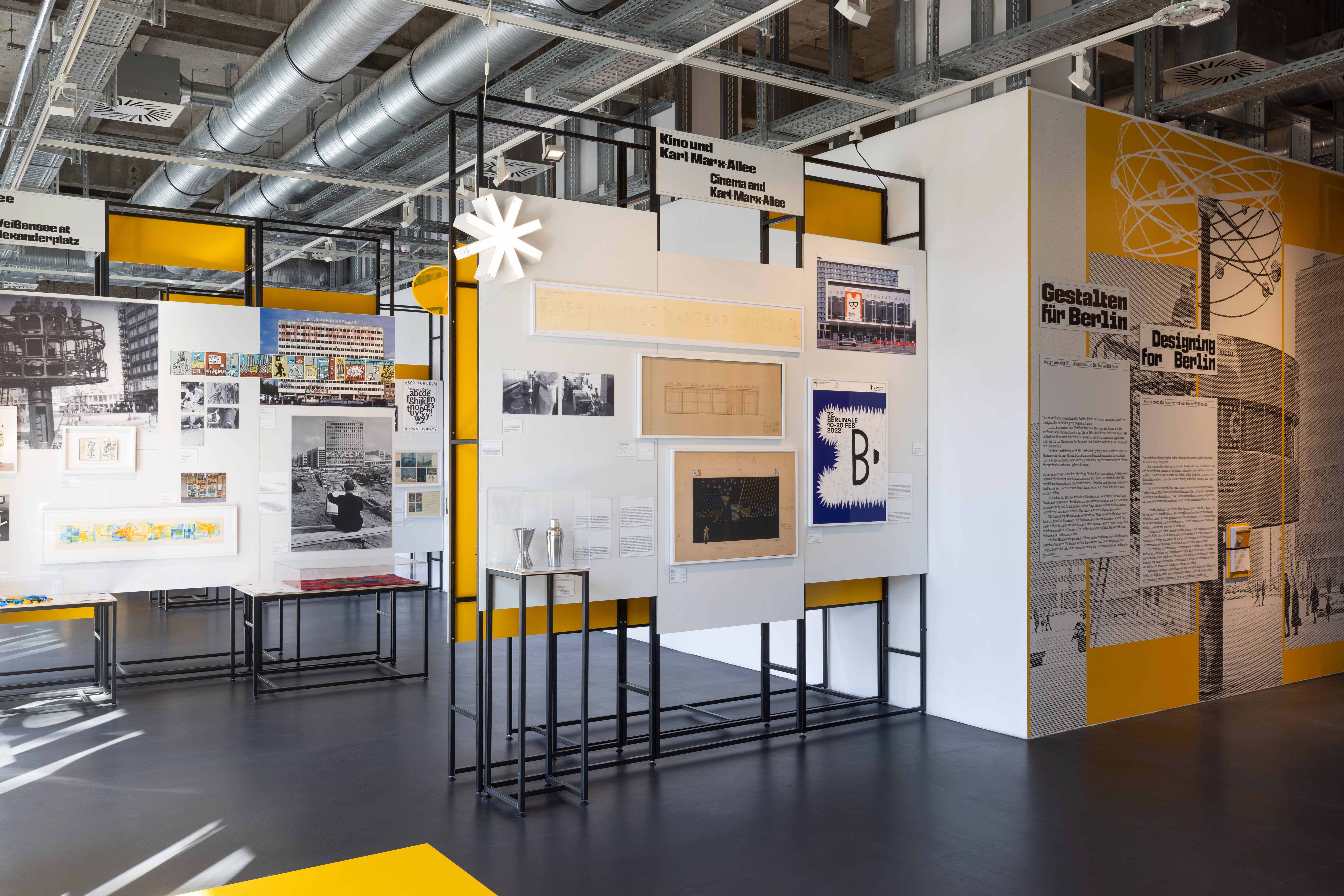
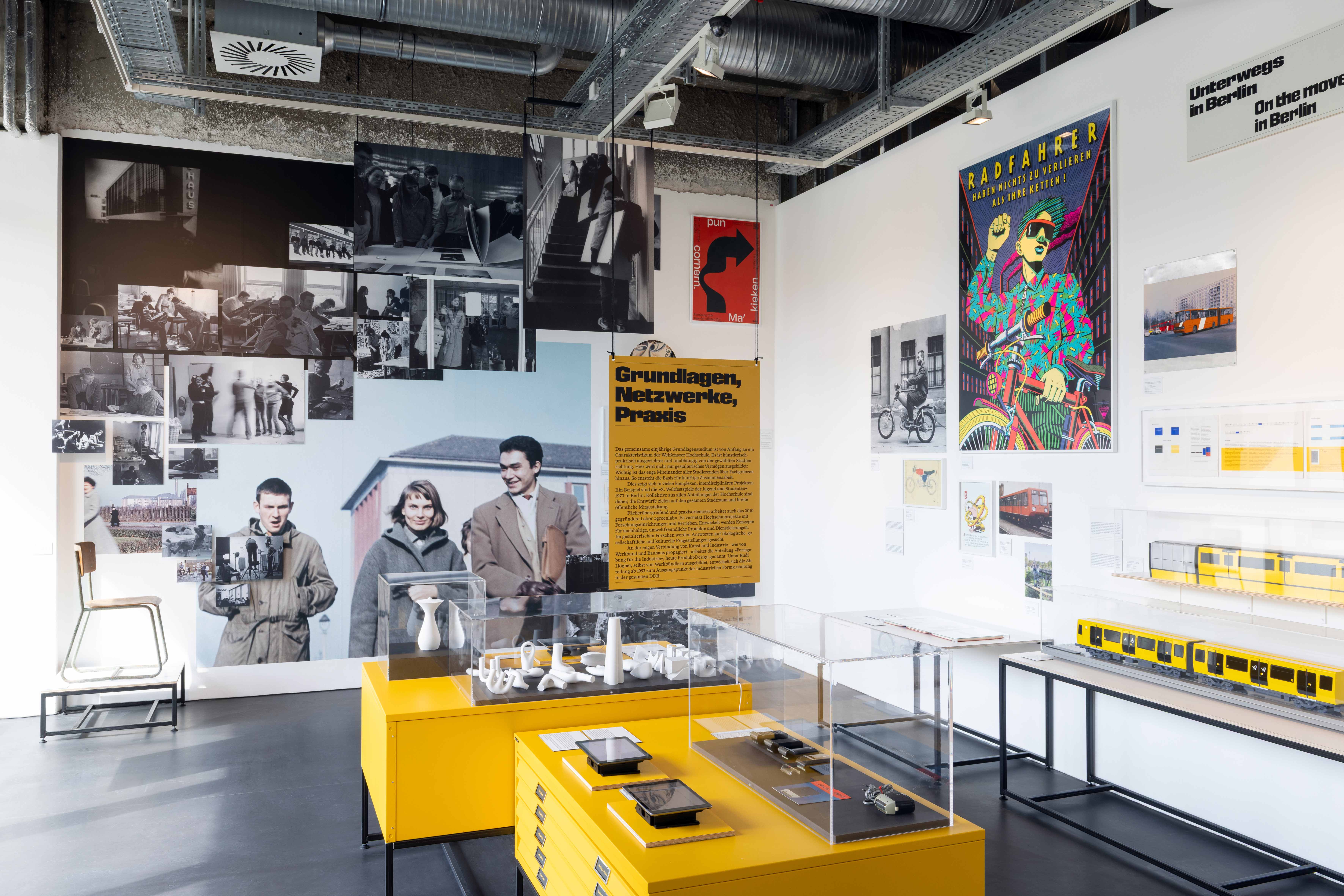
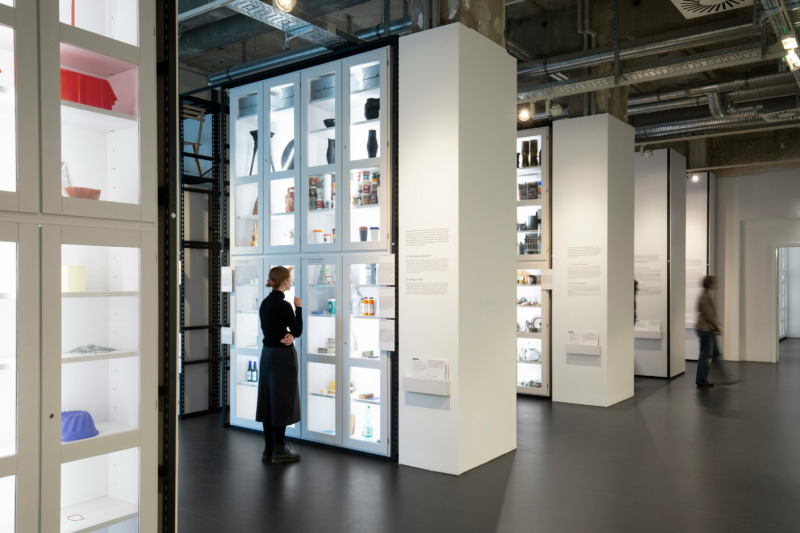
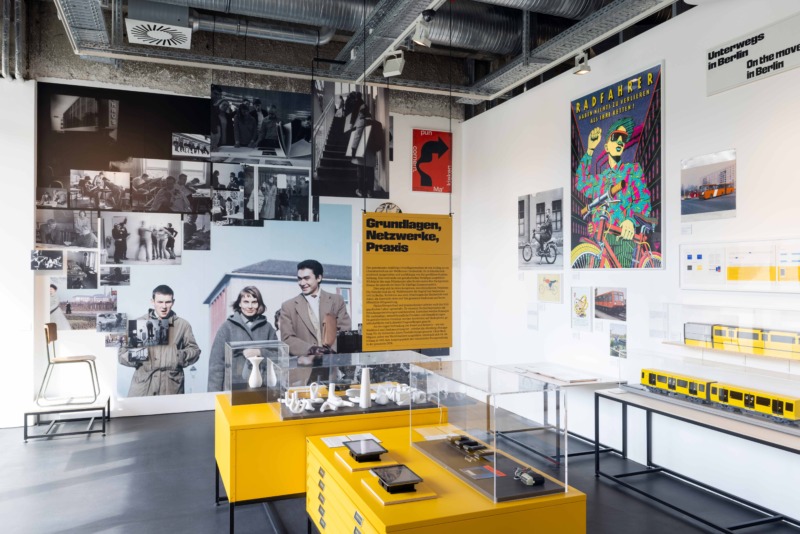
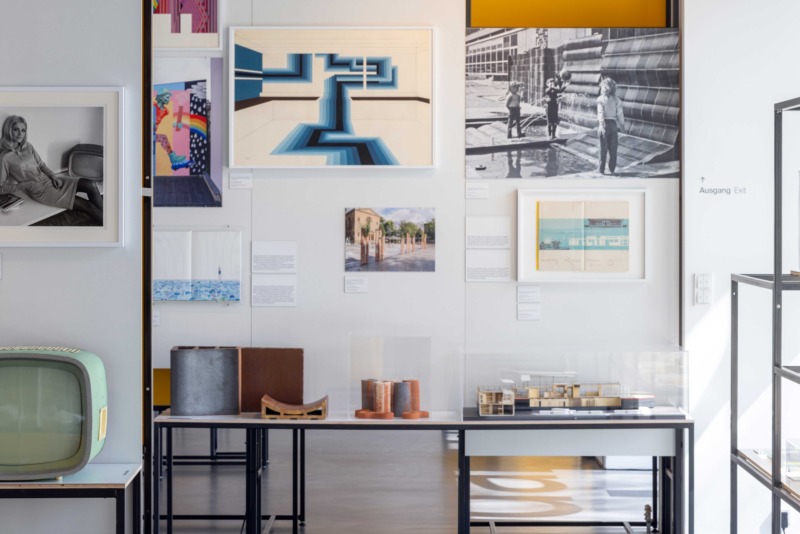
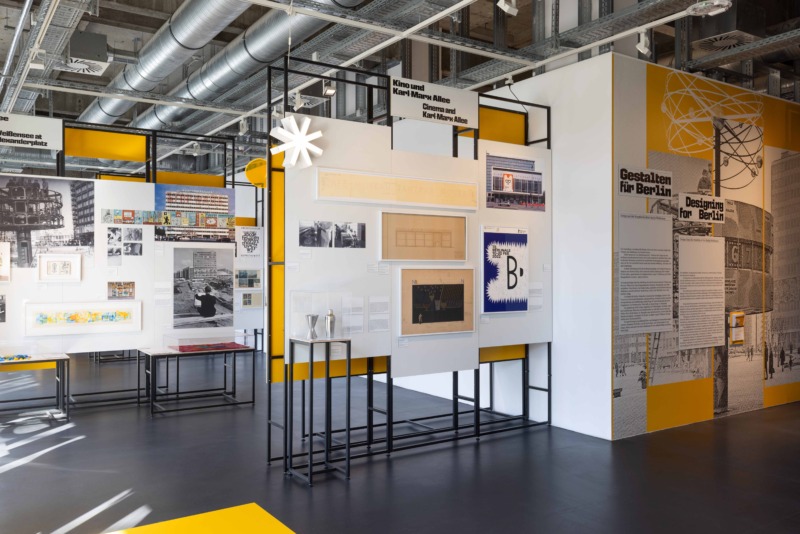
The exhibition “Designing for Berlin” focuses on a central aspect of design: the education of designers.
It is presented in collaboration with the Werkbundarchiv – Museum der Dinge and the weißensee academy of art berlin, which celebrates its 80th anniversary in 2026. Founded in 1946 in north-east Berlin, within the Soviet occupation zone, the academy reflects the city’s post-war history with all its ruptures and transformations.
The institution’s profile has been shaped by modernist designers such as Herbert Hirche, Mart Stam and Selman Selmanagić. Their pedagogical approaches, including a shared foundation course, a close connection to professional practice and interdisciplinary work, continue to define design education at Weißensee today.
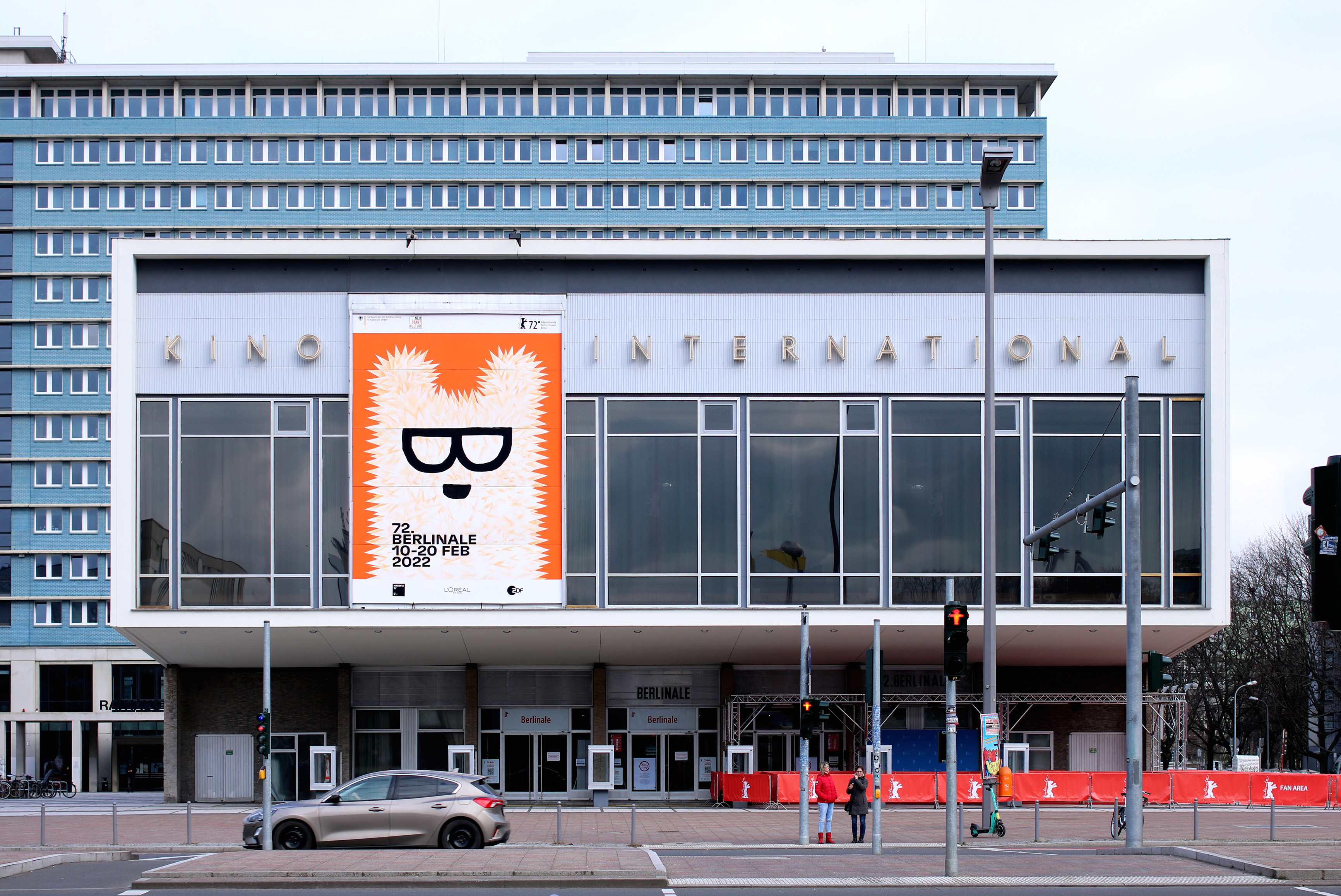
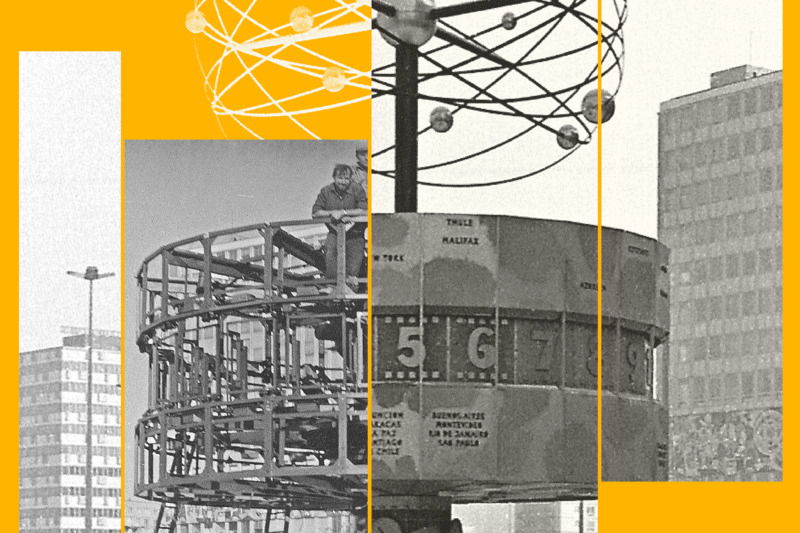
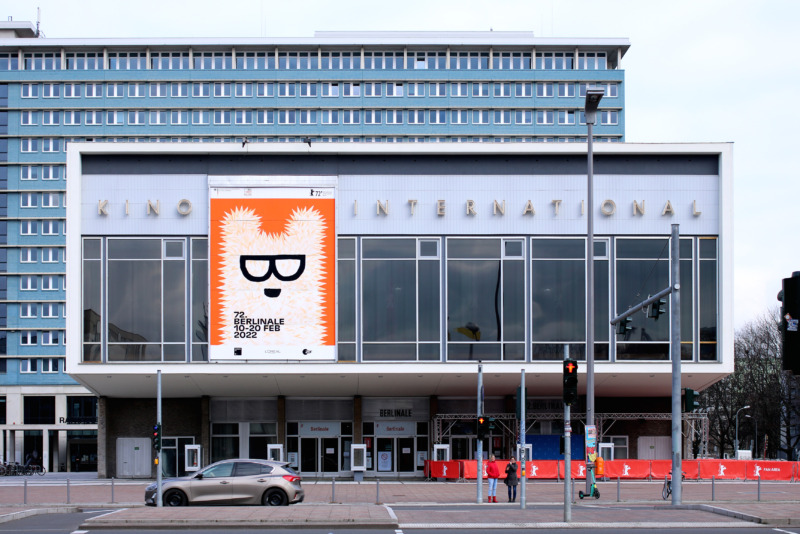
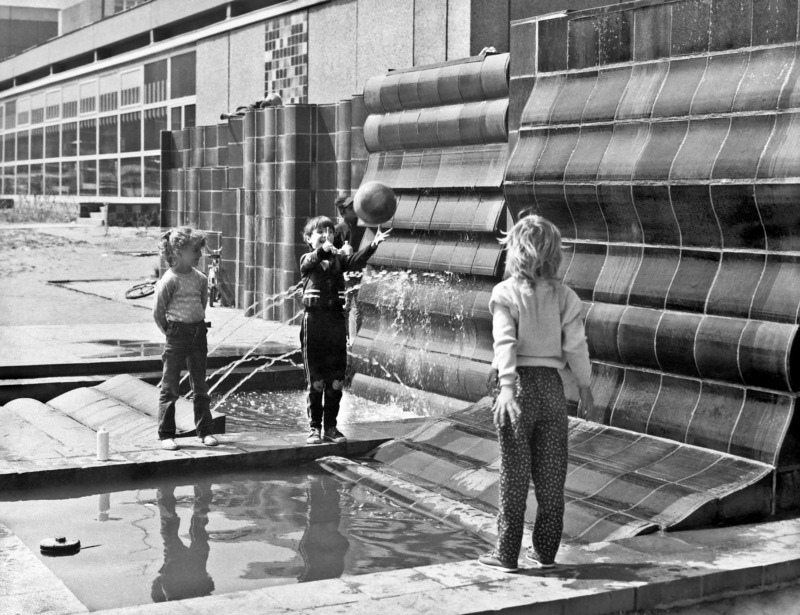
From the Berlinale poster to the lettering for Kino International, from the U-Bahn to the bicycle, from the World Clock at Alexanderplatz to climate-protective façades, firewalls or theatre posters: generations of students, teachers and graduates from Weißensee have had a profound influence on Berlin’s urban spaces, culture and mobility, in short: the everyday life in the city.
“Designing for Berlin” brings together historical and contemporary works from the fields of product design and graphic design. It touches on artistic foundations, design processes and professional practice, while also examining current student perspectives. What does it mean to study design today?
The exhibition makes no claim to completeness. It neither encompasses the work of all individuals and disciplines over eight decades nor traces activities beyond Berlin. Given the absence of a systematic university archive, such a survey would in any case be impossible.
Against the backdrop of pressing social and ecological challenges, “Designing for Berlin” highlights the innovative and formative power of design, culture and teaching, and their importance for a sustainable and liveable city.
A catalogue for the exhibition is currently in the works.
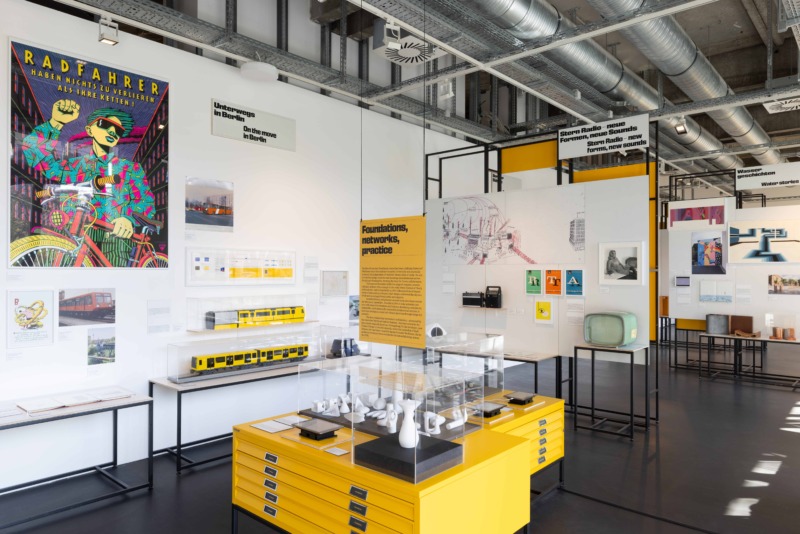
A look into the exhibition